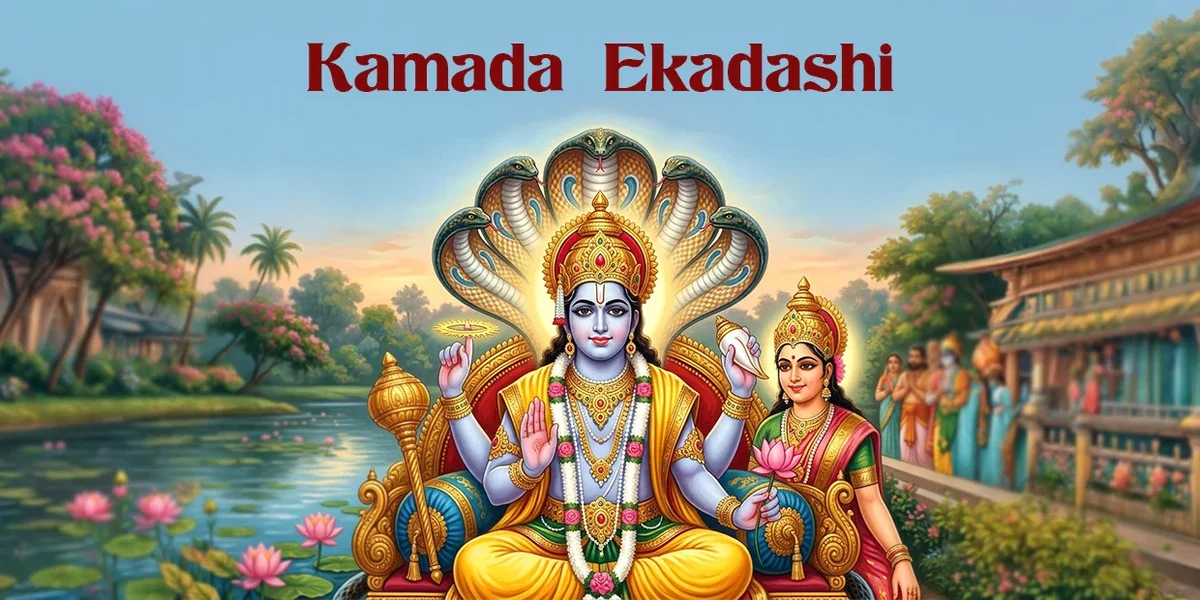
The Tithi on 28 March 2026
March 28, 2026, a Saturday, carries Chaitra Shukla Paksha Dashami, the tenth tithi of the bright fortnight, active from the start of the day until approximately 8:45 AM. After that point, Shukla Paksha Ekadashi, the eleventh tithi, takes over for the remainder of the day.
Since Dashami ends in the early morning, well before most of the day unfolds, 28 March 2026 is generally recognised as Ekadashi tithi for religious observance purposes, following the standard convention where the tithi occupying the largest portion of the day, particularly the period after sunrise, is treated as that day’s ruling tithi for ritual purposes.
Its Connection to Kamada Ekadashi
The Ekadashi falling within Chaitra Shukla Paksha, which governs 28 March 2026, is traditionally known as Kamada Ekadashi. This particular Ekadashi is considered especially significant as it falls shortly after the Hindu New Year (Chaitra Shukla Pratipada) and is traditionally associated with the fulfilment of righteous wishes and desires, with Kamada roughly translating to ‘wish-fulfilling’ in this devotional context.
Devotees observing Kamada Ekadashi typically follow standard Ekadashi vrat practices, including fasting through the day and avoiding grains, before breaking the fast the following day on Dwadashi within the recommended Parana time window, consistent with how most Ekadashi observances are traditionally structured.
Other Panchang Elements for the Day
Alongside the tithi transition, the panchang for 28 March 2026 lists Pushya nakshatra continuing until early afternoon, after which Ashlesha nakshatra begins. The day’s Yoga is generally recorded as Sukarma, and the Moon sign for the day is Cancer, according to most standard panchang calculations for this date.
The Rahu Kaal window on this date falls in the mid-to-late morning, a period traditionally considered inauspicious for beginning new ventures or important activities, and as with tithi timings, this window can shift by several minutes depending on the specific city referenced.
Why This Falls Just After the Hindu New Year
28 March 2026 sits within the Chaitra lunar month, shortly after Chaitra Shukla Pratipada marks the beginning of the Hindu New Year according to the lunar calendar, celebrated regionally as Gudi Padwa, Ugadi, or under other local names depending on the state. This positions Kamada Ekadashi as one of the earliest significant fasting observances within the fresh lunar year, following closely behind the new year celebrations themselves.
This timing also places the date within Vasant Ritu, the traditional spring season in the Hindu calendar’s six-season classification, a period generally associated with renewal and fresh beginnings across various regional customs and agricultural traditions.
Regional Naming Variations
As with most tithi-based dates, regional calendar conventions can affect how 28 March 2026 is labelled, even though the underlying tithi calculation remains identical. States following the Purnimanta system, common across most of North India, reference this date within Chaitra Shukla Paksha, as described above. States following the Amanta system, including Maharashtra, Gujarat, Karnataka, and Tamil Nadu, generally align with the same Chaitra month designation at this point in the lunar cycle, since the new year reset keeps both systems closely aligned during this particular stretch of the calendar.
This is a useful example of how, despite regional differences in month-naming conventions elsewhere in the lunar year, certain periods, particularly right around the Hindu New Year, tend to show closer alignment between the Purnimanta and Amanta systems than during other parts of the annual cycle.
Frequently Asked Questions
Is 28 March 2026 Dashami or Ekadashi for fasting purposes? Since Dashami ends around 8:45 AM, well before most of the day unfolds, the date is treated as Ekadashi tithi for the purposes of the Kamada Ekadashi fast and related observances.
What is Kamada Ekadashi specifically associated with? Kamada Ekadashi is traditionally associated with the fulfilment of sincere wishes and desires, and is considered one of the notable Ekadashi observances falling shortly after the Hindu New Year in the Chaitra month.
Quick Recap
28 March 2026 transitions from Chaitra Shukla Paksha Dashami to Ekadashi in the early morning, making the day Kamada Ekadashi for religious observance purposes, falling shortly after the Hindu New Year within Chaitra month. As always, checking a location-specific panchang for exact transition timing is recommended for anyone planning a fast, Parana, or other ritual activity around this particular date.
How This Date Compares to Other Chaitra Ekadashis
Kamada Ekadashi on 28 March 2026 is one of two major Ekadashi observances within the Chaitra lunar month, the other being Papmochani Ekadashi, which falls earlier in the month during Krishna Paksha. Together, these two Ekadashis bookend the Hindu New Year celebration, with Papmochani closing out the old lunar year and Kamada marking one of the first significant fasting days of the fresh year.
This proximity to the new year is part of why Kamada Ekadashi carries particular symbolic weight around wish fulfilment and fresh beginnings, distinct from the purification theme more commonly associated with Papmochani Ekadashi just a couple of weeks earlier in the same broader lunar cycle.
As with the earlier Papmochani Ekadashi in the same lunar month, anyone planning specifically around 28 march 2026 tithi for fasting or ritual purposes should verify exact transition timing through a city-specific panchang, since the precise moment Dashami gives way to Ekadashi can shift slightly depending on location.
Kamada Ekadashi observances are also sometimes accompanied by specific temple readings recounting the Puranic legend associated with the fast, a tradition many families continue at home as well, reading or listening to the story as part of the day’s devotional practice alongside the fast itself.
Whether observed strictly through fasting or simply acknowledged as a notable date within the post-New-Year Chaitra calendar, 28 March 2026 and its Kamada Ekadashi tithi mark a meaningful early milestone in the fresh Hindu lunar year that had only recently begun.
The broader pattern here is worth remembering too: whenever a tithi transition happens close to sunrise, as it does on both 14 March and 28 March 2026, the tithi active right after sunrise typically governs that day’s religious observances, a consistent rule that makes reading any panchang far more predictable once it clicks.
Disclaimer: This article is for general informational and educational purposes only, based on traditional Hindu Panchang conventions. Tithi timings can vary slightly by location and calculation method. Please verify exact dates and muhurats with a qualified astrologer or a trusted local panchang before making religious, travel, or financial decisions.