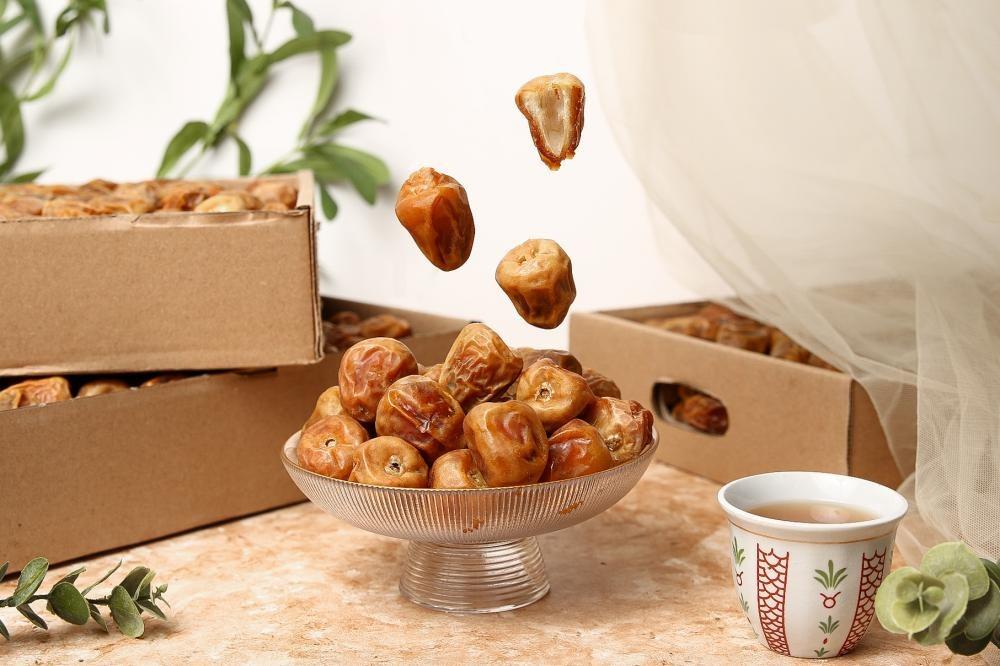
Sukkari dates have earned a reputation as one of the most prized date varieties in the Middle East, often referred to as the “king of dates” or “royal dates” for their exceptional sweetness and soft, melt-in-the-mouth texture. Understanding what sets them apart, both nutritionally and in taste, helps explain why they command a premium price compared to more widely available varieties.
What Are Sukkari Dates?
Sukkari dates are a premium date variety grown primarily in the Al-Qassim region of Saudi Arabia, where the name itself derives from “sukkar,” the Arabic word for sugar, a direct reference to their intensely sweet flavor. Botanically classified as Phoenix dactylifera, the same species as other well-known date varieties, Sukkari dates are typically conical in shape with a golden-amber to deeper brown, slightly wrinkled skin. They’re prized both fresh, when their tenderness is most pronounced, and dried, which concentrates the sweetness further and extends shelf life.
Nutritional Profile
A 100-gram serving of Sukkari dates provides approximately 307 calories, with a nutrient profile that includes vitamins A, B6, and K, along with minerals including potassium, magnesium, copper, and manganese. Analysis of Saudi date cultivars has found Sukkari dates specifically contain a notably high sugar content, made up of glucose, fructose, and sucrose, which accounts for both their intense sweetness and their reputation as a natural, fast-acting energy source.
Commonly Cited Health Benefits
Sukkari dates are frequently associated with several potential health benefits in nutrition-focused sources, though it’s worth noting many of these claims come from informational and commercial content rather than rigorous clinical studies specific to this variety. Cited benefits include supporting digestive health due to their fiber content, providing quick natural energy from their sugar profile (making them popular for breaking a fast or as a post-exercise snack), and containing potassium and magnesium that are generally supportive of heart and muscle function. Antioxidant compounds present in dates more broadly are also often cited in connection with skin health and general cellular protection, though as with many fruit-based antioxidant claims, the practical impact of dietary intake versus laboratory findings deserves some caution.
Sukkari vs. Medjool Dates
Sukkari dates are frequently compared to Medjool dates, another well-known premium variety, and the two do differ meaningfully. Sukkari dates tend to be softer, lighter in color, and more moist, with a honey-like sweetness, while Medjool dates are typically darker, larger, and chewier, with a richer, caramel-like flavor. Sukkari dates originate specifically from the Qassim region of Saudi Arabia, while Medjool dates are more commonly associated with Morocco, other parts of the Middle East, and California. In terms of use, Sukkari is often preferred for fresh snacking and pairing with Arabic coffee, while Medjool’s firmer texture makes it more popular in baking and smoothies.
Cultural and Religious Significance
Dates hold particular significance in Middle Eastern and Islamic tradition, and Sukkari dates specifically are commonly used to break the fast during Ramadan, a practice tied to accounts of the Prophet Muhammad breaking his own fast with dates and water. Beyond Ramadan, Sukkari dates are a common feature of Arabic hospitality, frequently served alongside qahwa (Arabic coffee) when welcoming guests, and given as gifts, particularly during Eid celebrations, often presented in elegant packaging as a gesture of goodwill.
How to Use Sukkari Dates
Beyond eating them plain as a snack, Sukkari dates feature in a range of culinary applications. They can be stuffed with nuts (almonds and walnuts are common choices) or clotted cream for a richer treat, blended into date paste for use in desserts like maamoul (date-filled cookies) or as a natural sweetener alternative to refined sugar, and even incorporated into savory dishes in some Gulf and Saudi cuisines, where their sweetness balances rice dishes or tagine-style preparations.
A Note on Sugar Content and Moderation
Given their high natural sugar content, Sukkari dates, like other date varieties, are calorie-dense and should be consumed in reasonable portions, particularly for anyone monitoring blood sugar levels. General guidance commonly cited in nutrition sources suggests around three to five dates per day as a reasonable serving for most people, positioning them as a nutrient-dense alternative to processed sweets rather than something to eat without limit. The fiber content in dates does help moderate the speed of sugar absorption somewhat compared to plain refined sugar, but this doesn’t eliminate the need for portion awareness, especially for individuals managing diabetes or other blood sugar-related conditions.
Storage and Selection
Fresh Sukkari dates should generally be kept refrigerated to preserve their soft texture and prevent spoilage, while dried Sukkari dates have a considerably longer shelf life and can often be stored at room temperature in a sealed container. When selecting Sukkari dates, look for a consistent golden-amber to light brown color without excessive dryness or crystallized sugar on the surface, which can indicate age or improper storage.
Frequently Asked Questions
Are Sukkari dates healthier than other date varieties? They’re broadly comparable in overall nutritional value to other premium date varieties like Medjool; the main differences are in taste, texture, and specific sugar composition rather than one being definitively “healthier” than another.
How many Sukkari dates is it safe to eat per day? General nutrition guidance commonly suggests around three to five dates per day for most people, though individuals with diabetes or blood sugar concerns should consult a healthcare provider or dietitian for personalized guidance given their high natural sugar content.
What’s the difference between Sukkari and Medjool dates? Sukkari dates are softer, lighter in color, and have a honey-like sweetness, while Medjool dates are darker, larger, and chewier with a caramel-like flavor; Sukkari also tends to be pricier and less widely available outside the Middle East.
Disclaimer: This article provides general nutritional and cultural information about Sukkari dates and is not medical advice. Consult a healthcare provider or registered dietitian regarding dietary choices, particularly if managing diabetes or another health condition.