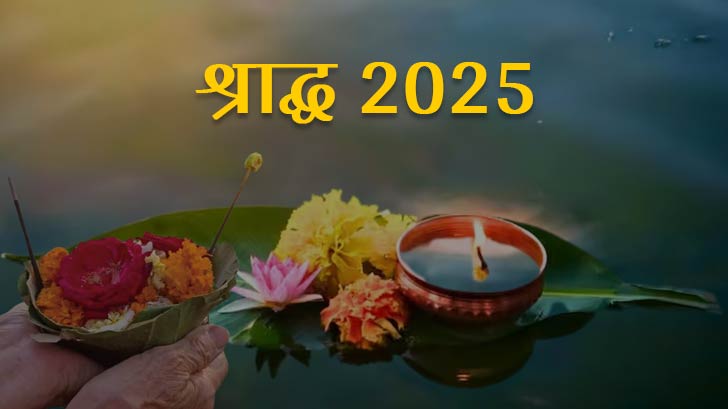
Pitru Paksha in 2025 began on September 7 and ended on September 21 with Sarva Pitru Amavasya. Published calendars list the individual Shraddha observances according to lunar tithis. citeturn0search0turn0search1
People searching for shradh 2025 dates generally want a direct answer, but the useful part of a date-based article is the context around that answer. A date can belong to a particular ritual, phase, taxpayer category, examination group or regional calendar. The following guide therefore focuses on both the date and the practical meaning behind it.
The 2025 period
The sequence began with Purnima Shraddha on September 7 and ended with Sarva Pitru Amavasya on September 21.
This is also why current information is more valuable than an old screenshot shared without a source.
Important dates
The calendar included Pratipada on September 8, Dwitiya September 9, Tritiya and Chaturthi September 10, Panchami September 11, Shashthi September 12, Saptami September 13, Ashtami September 14, Navami September 15, Dashami September 16, Ekadashi September 17, Dwadashi September 18, Trayodashi September 19, Chaturdashi September 20 and Sarva Pitru Amavasya September 21. citeturn0search0turn0search4
It is a small detail, but checking it early can prevent a much larger problem later.
Why tithi matters
Shraddha is connected with the lunar tithi associated with the departed relative. It is therefore not simply a matter of repeating the Gregorian date every year.
For someone planning ahead, this turns a calendar entry into a practical checklist rather than just a number.
Sarva Pitru Amavasya
The final day is especially significant for families who could not observe an earlier tithi or who wish to make offerings collectively.
That distinction is important because a date copied without its context can easily be misunderstood.
Meaning of Shraddha
The practice centres on remembrance, respect and offerings for departed family members. Customs vary by region and household.
This is also why current information is more valuable than an old screenshot shared without a source.
Calendar traditions
North Indian Purnimanta and South Indian Amanta systems can use different month names, even when the observance falls on the same Gregorian dates.
It is a small detail, but checking it early can prevent a much larger problem later.
Ritual preparation
Families may prepare food, water, sesame, flowers and other items according to their tradition. A priest or family elder can clarify the exact practice.
For someone planning ahead, this turns a calendar entry into a practical checklist rather than just a number.
A reflective period
Pitru Paksha is generally quieter than festivals focused on music and public celebration. The atmosphere encourages remembrance.
That distinction is important because a date copied without its context can easily be misunderstood.
Food and charity
Offerings and charitable acts form part of many Shraddha traditions. The intention and observance matter more than making the event elaborate.
This is also why current information is more valuable than an old screenshot shared without a source.
Avoiding date confusion
Search results can mix Shraddha, Mahalaya and other Hindu calendar events. Adding the year and specific tithi makes research more precise.
It is a small detail, but checking it early can prevent a much larger problem later.
Family coordination
When several relatives participate, confirming the tithi early makes travel and ritual arrangements easier.
For someone planning ahead, this turns a calendar entry into a practical checklist rather than just a number.
Remembering ancestors
The annual observance can also help younger family members learn stories about relatives and family history.
That distinction is important because a date copied without its context can easily be misunderstood.
Practical planning questions
When using shradh 2025 dates, first ask whether the information applies to the exact year and situation you are dealing with. This sounds obvious, but old calendars and recycled articles can remain highly visible in search results.
Next, identify what the date represents. Is it the start of a period, the main event, the final deadline, a registration window or a reporting date? Knowing the label prevents a surprising number of mistakes.
Then work backwards. If a deadline is on a Friday, for example, the preparation should not begin on Friday morning. Documents, travel, study or payment may need to be completed earlier.
If another source gives a different date, check the location and category before assuming there is an error. Religious calendars can vary by city, while admission and tax schedules can vary by candidate type.
For important decisions, use the article for understanding and the responsible authority for final verification. This is especially important when a schedule can be revised.
A useful personal system is to add the date to a calendar, write the source beside it and set a reminder several days before the actual event. It takes very little time and makes deadlines easier to manage.
Final takeaway
The key to using shradh 2025 dates correctly is not simply remembering the date. It is understanding what the date refers to, whether it applies to the reader’s situation and what needs to be done before it arrives.
A little verification and early planning can make date-based tasks much easier. When the information is important, check the latest official or recognised source again before acting.