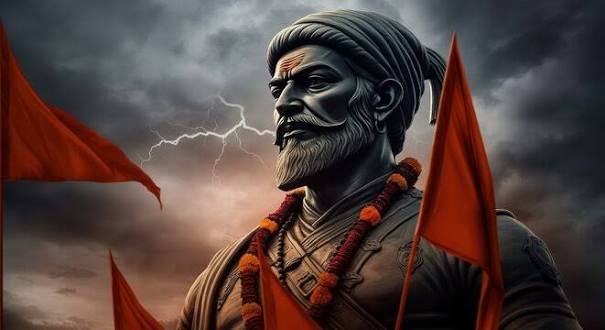
Shiv Jayanti 2026: Two Dates, One Occasion
Shiv Jayanti — commonly known formally as Chhatrapati Shivaji Maharaj Jayanti — is observed on two different dates each year depending on which calendar system you follow. The widely observed civil (Gregorian) date in 2026 is Thursday, February 19. The tithi-based observance, calculated according to the Hindu lunar calendar, falls on Phalgun Krishna Paksha Tritiya.
Why Two Dates Exist
Chhatrapati Shivaji Maharaj was born on 19 February 1630 according to the Gregorian calendar, and this fixed civil date has become the more widely used and administratively recognised date for public celebrations, government events, and school holidays across Maharashtra and beyond. However, traditionalists and those following the Hindu lunar calendar observe the Jayanti according to the tithi on which he was born — Phalgun Krishna Paksha Tritiya, the third day of the dark fortnight in the month of Phalgun. Because the Hindu calendar is lunisolar, this tithi-based date shifts each year relative to the Gregorian calendar, unlike the fixed February 19 civil date.
Finding the Exact Tithi Timing for 2026
Since tithi start and end times shift with the moon’s position and vary by location, the exact hour-by-hour timing of Phalgun Krishna Paksha Tritiya for 2026 is best confirmed through a location-specific Panchang close to the date, as these calculations are recalculated based on local sunrise. Most Panchang tools calculate a base timing for New Delhi and let you adjust for your own city.
How the Day Is Observed
Both the civil and tithi-based observances of Shiv Jayanti are marked with similar celebrations — Shobhayatra processions, powada performances narrating episodes from the Maratha Empire, and public talks on Indian history. Schools and civic organisations often hold cleanliness drives and seva activities alongside more festive elements. Families may also observe simple home rituals, and museums and heritage sites connected to Shivaji Maharaj’s life see increased visitors around this time.
Which Date Should You Observe?
For most public and administrative purposes — government holidays, school events, official commemorations — February 19 is the date almost universally used across Maharashtra. If you or your family specifically follow the tithi-based tradition, Phalgun Krishna Paksha Tritiya is the date to mark, and it’s worth cross-checking the specific Gregorian date it falls on for 2026 against a current Panchang, since this can differ from February 19 depending on the lunar cycle that year.
The Historical and Cultural Significance
Shivaji Maharaj is remembered for his visionary statecraft, administrative reforms, and military strategy in founding the Maratha Empire, and the Jayanti continues to serve as an occasion for reflecting on themes of courage, dharma-based governance, and social responsibility that are closely associated with his legacy. Whichever date you observe, the occasion remains a significant moment of cultural and historical reflection across Maharashtra and among Marathi communities worldwide.