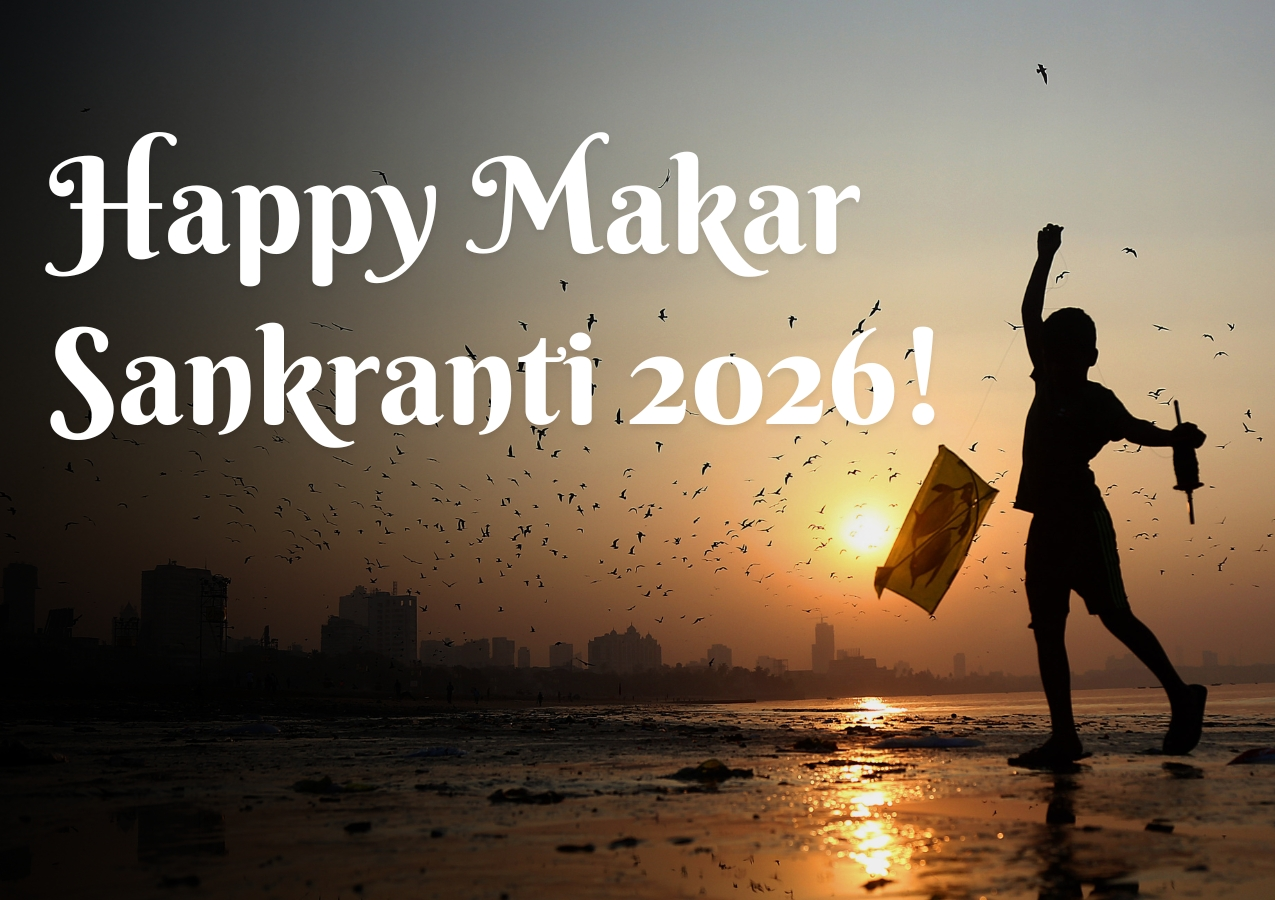
Makar Sankranti, one of the few major Hindu festivals determined by the solar calendar rather than the lunar calendar, marks a significant seasonal and astrological shift. Here’s everything you need to know about Sankranti 2026 dates and celebrations.
When Is Makar Sankranti 2026
Makar Sankranti 2026 falls on Wednesday, January 14, marking the sun’s transition into the zodiac sign of Makara (Capricorn). Unlike most Hindu festivals, which shift dates each year based on the lunar calendar, Makar Sankranti is a solar festival, which is why it consistently falls on or around January 14 every year with only minor variation.
The Exact Timing of the Sankranti Moment
According to Vedic astrological calculations, the precise Sankranti moment — when the sun officially transits into Capricorn — occurs at approximately 2:49 PM IST on January 14, 2026. The Punya Kaal, the auspicious window for performing rituals following this transition, is generally considered to fall between 3:13 PM and 5:45 PM, though exact timings can vary slightly depending on regional calculations and specific panchang sources.
Why This Festival Is Considered Significant
Makar Sankranti marks the sun’s movement from the Southern hemisphere (Dakshinayan) to the Northern hemisphere (Uttarayan), a transition considered highly auspicious in Hindu tradition. This shift also signals the end of winter and the gradual lengthening of days, making the festival both a religious and seasonal milestone tied closely to the agricultural calendar.
Regional Names and Celebrations
Makar Sankranti is celebrated under many different names across India, each with its own distinct customs. In Tamil Nadu, it’s celebrated as Pongal, a multi-day harvest festival honouring the Sun God. In Gujarat, the day is known as Uttarayan, famous for its vibrant kite-flying celebrations that fill the skies over cities like Ahmedabad. Assam observes it as Bhogali Bihu, while West Bengal calls it Poush Sangkranti. In Andhra Pradesh and Telangana, the festival extends across several days, including Pedda Panduga and Kanuma Panduga.
Traditional Rituals Observed During Punya Kaal
During the Punya Kaal window, devotees traditionally take a holy dip in sacred rivers, offer Naivedhya (food offerings) to Lord Surya, give charity or dakshina, and in some traditions, perform Shraddha rituals for ancestors. If the Sankranti moment occurs after sunset, these Punya Kaal activities are typically postponed to the following day’s daylight hours, since ritual activities associated with Sankranti are meant to be performed during the day.
Traditional Foods of Makar Sankranti
Food plays a central role in Makar Sankranti celebrations across regions. Til Gud laddus, made from sesame seeds and jaggery, are among the most widely prepared sweets, believed to provide warmth during the winter season. Other regional specialties include Puran Poli, Undhiyu, Khichdi, and Pongal (the rice dish that gives the Tamil festival its name), each reflecting local harvest produce and culinary traditions.
The Multi-Day Nature of the Festival
In several parts of India, Makar Sankranti celebrations extend across multiple days. This includes events like the Ganga Sagar Mela, along with observances such as Uttarayan, Vasi Uttarayan, Makaravilakku, and additional days like Kanuma and Mukkanuma in Andhra Pradesh and Telangana, giving the festival a broader, extended celebratory window beyond the single core day.
Preparing for the Festival
Since Makar Sankranti is a solar festival with a consistent date each year, planning around it tends to be more predictable than lunar festivals. Many families use the day for charitable acts, visiting temples, or gathering for traditional meals, alongside the more visible celebrations like kite flying and bonfires seen in various regions.
Kite Flying Safety During Uttarayan
For those participating in kite-flying celebrations, particularly in Gujarat’s Uttarayan festivities, it’s worth being mindful of manjha (kite string) safety, since certain sharp or synthetic threads have been linked to injuries, both to participants and to birds. Many states have specific regulations around permissible kite string materials during this period, and following these guidelines helps keep the celebrations safe for everyone.
Makar Sankranti’s Connection to the Harvest Season
Beyond its religious significance, Makar Sankranti marks a genuine agricultural milestone, coinciding with the harvesting of key winter crops across much of India. This is part of why the festival carries such strong associations with gratitude and abundance, celebrating both the sun’s shifting position and the tangible rewards of the harvest season.
Charitable Giving During Sankranti
Charity holds a special place in Makar Sankranti observances, with many families choosing this day specifically to donate food, clothing, or money to those in need, believing that acts of generosity performed during this auspicious solar transition carry particularly strong positive significance.
Final Thoughts
Makar Sankranti 2026, falling on January 14, marks an astrologically and agriculturally significant turning point celebrated across India under many regional names and traditions. From Pongal in Tamil Nadu to Uttarayan in Gujarat, this solar festival brings together rituals, food, and community celebration to mark the sun’s journey into the Northern hemisphere.