Breaking Down the Question
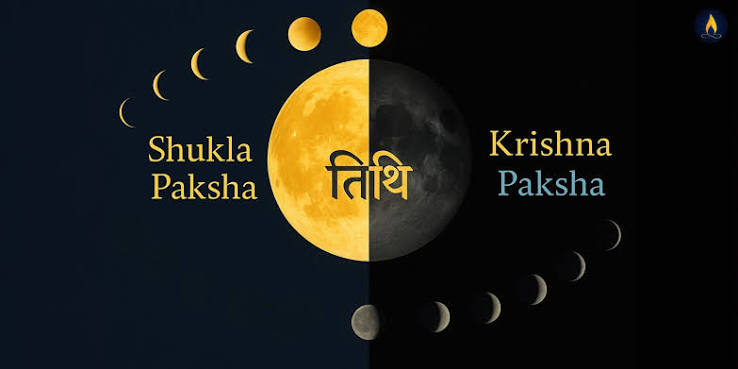
Aaj ki tithi kya hai translates simply to ‘what is today’s tithi’, but the full answer involves a bit more than a single word. A complete tithi reading includes the paksha (bright or dark fortnight), the specific tithi name, and the precise clock time at which that tithi ends and the next one takes over.
This full breakdown matters because tithi is the foundation on which most Hindu festival dates, fasting days, and auspicious timings are calculated. A partial or vague answer, like just saying ‘it’s Ashtami’ without the fortnight or end-time, isn’t enough for anyone planning a specific ritual around it.
How Tithi Is Determined Astronomically
Tithi is based on the angular distance between the Sun and Moon as observed from Earth. Every time this angle increases by 12 degrees, one tithi ends and the next begins. A full 360-degree cycle, covering all 30 tithis, corresponds to one complete synodic lunar month, which lasts roughly 29.5 days on average.
Modern panchang calculations rely on precise ephemeris data to track these positions accurately, which is why today’s trusted panchang sources give tithi timings down to the exact minute rather than rough estimates.
Reading a Full Panchang Entry
A typical panchang entry answering aaj ki tithi kya hai looks something like: ‘Shravana Krishna Paksha Navami, up to 4:37 PM, then Dashami begins.’ Alongside this, you’ll usually also see the nakshatra (lunar mansion), the yoga, the karana, and the rahukaal (an inauspicious time window) for the day.
Reading all five elements together, rather than tithi alone, gives a much fuller picture for anyone planning an important activity, since some auspicious combinations require a favourable tithi paired with a favourable nakshatra or yoga at the same time.
Why the Answer Changes Through the Day
Because tithi transitions happen at specific clock times rather than at midnight, the answer to aaj ki tithi kya hai can technically change as the day progresses. If you check in the morning and the tithi is close to its end-time, it’s worth rechecking before an evening ritual, since the tithi active at that later hour may be different from the one active earlier.
This is a key difference from the Gregorian calendar and one of the more important habits to build when regularly following panchang-based practices.
Putting It All Together
In short, aaj ki tithi kya hai is best answered with the full context: the paksha, the tithi name, and its exact end-time, ideally checked against your specific city’s panchang. With that habit in place, understanding why a festival falls on a certain date, or when a fast should be observed, becomes far less confusing.
Frequently Asked Questions
Is aaj ki tithi kya hai different from asking for the Hindu date? Not really — the full Hindu date typically includes the tithi, paksha, lunar month, and sometimes the Vikram or Shaka Samvat year, so tithi is really the core building block of what most people mean by ‘today’s Hindu date’.
Why do some panchangs list two tithis for the same day? This happens when a tithi’s end-time falls somewhere during that Gregorian day, meaning the day starts with one tithi and transitions into the next before midnight. Both are technically ‘today’s tithi’, just applicable to different parts of the day.
Making the Most of a Daily Panchang Habit
Once you’re comfortable answering aaj ki tithi kya hai on your own, it becomes much easier to plan an entire month at a glance rather than checking one day at a time. Many panchang apps offer a monthly calendar view specifically for this reason, letting you see all upcoming tithi transitions, fasting days, and festivals together.
This broader view is particularly useful for households planning celebrations, travel, or major purchases weeks in advance, since it allows you to compare several upcoming dates and identify the most favourable tithi for a specific activity rather than reacting to whatever tithi happens to fall on a convenient weekend.
It’s also worth pointing out that aaj ki tithi kya hai is sometimes asked in the context of comparing two different regional calendars, particularly when family members in different parts of India reference slightly different month names for what is actually the same underlying tithi. In these situations, focusing on the tithi number and paksha, rather than the month name alone, is usually the fastest way to confirm both sides are actually talking about the same day. This becomes especially relevant around festival planning calls between family members following Purnimanta versus Amanta conventions, where a shared understanding of the tithi itself avoids unnecessary confusion about which date is actually correct.
None of this needs to feel overwhelming. A single reliable bookmark, checked once a day, is genuinely all it takes to stay accurately informed about aaj ki tithi kya hai without needing to become an expert in Hindu astronomy.