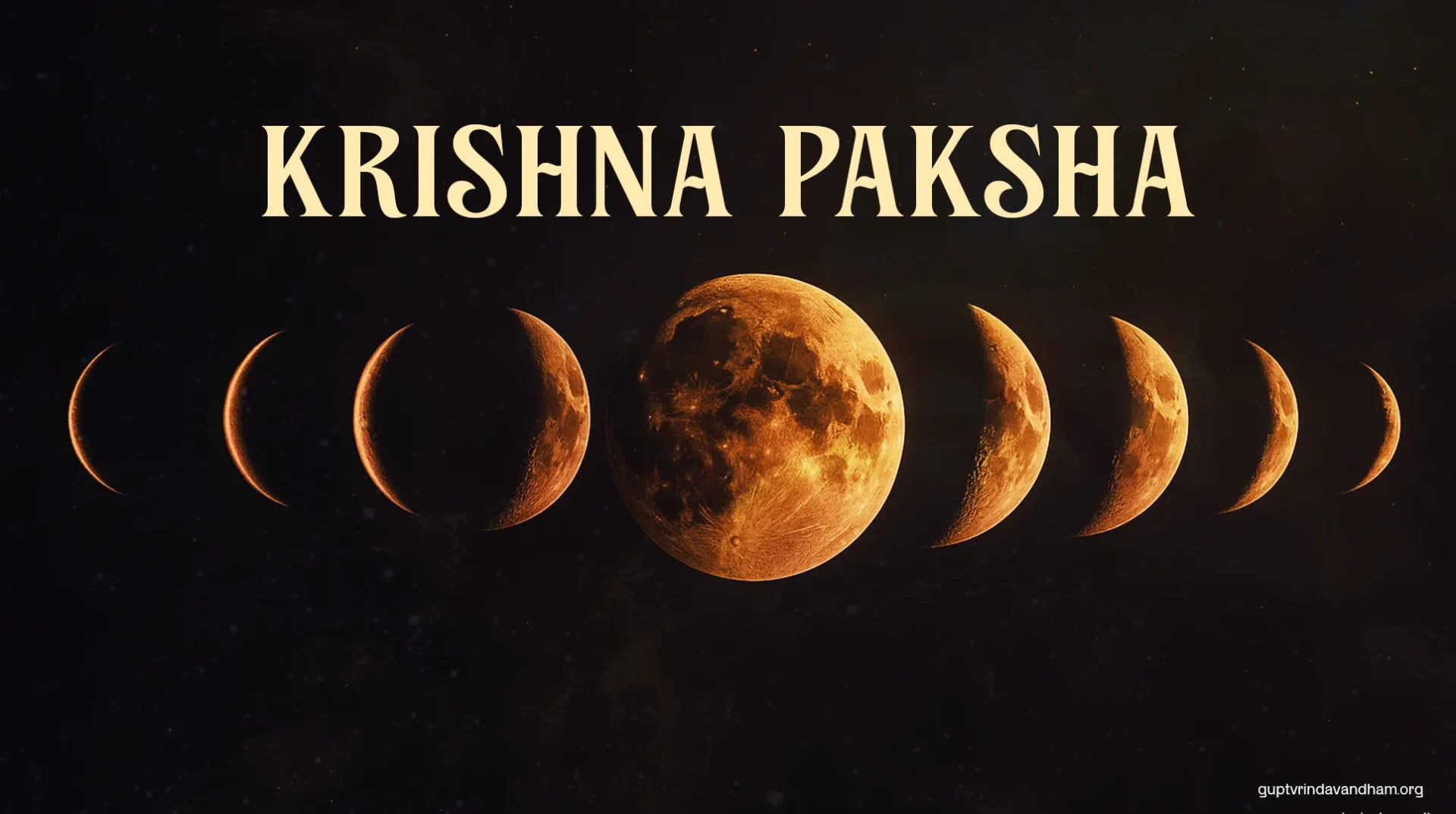
The Tithi on 14 March 2026
March 14, 2026, a Saturday, carries an important tithi transition within the Chaitra lunar month. The day begins under Krishna Paksha Dashami, the tenth tithi of the dark fortnight, which continues until approximately 5:49 AM. After that point, Krishna Paksha Ekadashi, the eleventh tithi, takes over and remains active for the rest of the day and into the following morning, ending around 6:58 AM on March 15.
Because Ekadashi becomes the ruling tithi shortly after sunrise on March 14 in most parts of India, this date is widely recognised as Ekadashi day for religious observance purposes, following the traditional convention that the tithi active at sunrise governs the day’s fasting and ritual calendar.
Connection to Papmochani Ekadashi
The Ekadashi falling in Chaitra Krishna Paksha, which governs the tithi of today on 14 March 2026, is traditionally known as Papmochani Ekadashi, one of the last Ekadashis observed before the Hindu New Year begins with Chaitra Shukla Pratipada later in the same lunar month. The name Papmochani translates roughly to ‘the remover of sins,’ and this particular Ekadashi is traditionally associated with purification and the release of past wrongdoings ahead of the new year.
Devotees observing Papmochani Ekadashi typically fast through the day, following the same general rules associated with Ekadashi vrat more broadly, including abstaining from grains and certain foods, before breaking the fast the following day during Dwadashi, the twelfth tithi, within the recommended Parana window.
Regional and Calendar Variations for the Date
Depending on the regional calendar system in use, 14 March 2026 is referenced slightly differently across India. In North Indian states following the Purnimanta system, the date falls within Chaitra Krishna Paksha, as noted above. In Karnataka, Andhra Pradesh, and Telangana, which follow the Amanta system, the equivalent tithi is referenced under Phalgun Krishna Paksha instead, even though the underlying tithi count and Ekadashi observance remain the same.
This regional naming difference is a normal, well-documented feature of how Hindu lunar months are labelled across India rather than an inconsistency in the tithi calculation itself, and most detailed panchang sources note both naming conventions for dates that fall near a lunar month boundary.
Other Panchang Details for the Day
Beyond tithi, the panchang for 14 March 2026 includes Purva Ashadha nakshatra transitioning to Uttara Ashadha later in the day, alongside a Rahu Kaal window that falls in the mid-morning hours, a period traditionally considered inauspicious for beginning new activities. As with tithi, these exact timings can shift slightly by a few minutes depending on the specific city being referenced.
Anyone planning something time-sensitive around this date, whether it’s the Ekadashi fast itself or an unrelated activity like a pooja or muhurat, should check a location-specific panchang rather than relying on a generic national timing, since sunrise-dependent calculations vary meaningfully across India’s different time zones and longitudes.
Why Checking the Exact Tithi Matters Here
Dates like 14 March 2026, where a tithi transition happens close to sunrise, are exactly the kind of day where checking precise panchang timing genuinely matters rather than assuming the whole day falls under a single tithi. Since Dashami ends before sunrise for most of India, the day is correctly treated as Ekadashi for ritual purposes, but this wouldn’t necessarily be obvious without checking the exact transition time.
This is also a good illustration of why panchang readings typically list both tithis whenever a transition occurs mid-day or near sunrise, giving readers the full picture rather than a single, potentially misleading label for the entire 24-hour period.
Frequently Asked Questions
Is 14 March 2026 considered Ekadashi or Dashami for fasting purposes? Since Ekadashi becomes active shortly after 5:49 AM, well before sunrise in most Indian cities, the day is treated as Ekadashi for fasting and religious observance purposes.
Does the tithi transition time change by city? Yes, while the tithi names themselves stay consistent, the exact transition clock-time can vary by several minutes between different Indian cities due to differing longitudes, though this rarely changes which tithi governs the day at sunrise.
Quick Summary
14 March 2026 begins under Krishna Paksha Dashami before transitioning to Krishna Paksha Ekadashi shortly before sunrise, making it Papmochani Ekadashi for religious observance purposes. As with any tithi that changes close to sunrise, checking a location-specific panchang is the most reliable way to confirm exact timing for fasting, Parana, or any other ritual planned around this particular date.
How This Date Fits Into the Broader Chaitra Month
14 March 2026 falls within the final stretch of Chaitra Krishna Paksha, with the lunar month approaching its Amavasya (new moon) conclusion before transitioning into Chaitra Shukla Paksha and, shortly after, the Hindu New Year celebration itself. This positions Papmochani Ekadashi as one of the last major fasting observances before the fresh lunar year begins.
Understanding this placement within the broader month helps explain why Papmochani Ekadashi carries particular symbolic weight around purification and release, sitting as it does at the closing stretch of the old lunar year, just before the fresh start that Chaitra Shukla Pratipada represents a couple of weeks later.
For readers specifically tracking 14 march 2026 tithi ahead of the Ekadashi fast, the safest approach remains checking a city-specific panchang close to the date itself, since even small shifts in the exact transition time can matter for precise ritual planning around Parana and fast completion.
Papmochani Ekadashi is also sometimes referenced in regional almanacs under slightly different transliterations, including Papamochani or Paapmochini Ekadashi, all pointing to the same underlying Chaitra Krishna Paksha Ekadashi observance discussed throughout this guide.
Whichever tradition or region’s naming convention a reader follows, the underlying tithi calculation for 14 March 2026 stays consistent, which is ultimately the most important detail for anyone planning their Papmochani Ekadashi fast around this specific date.
This same underlying logic, tithi transitions determining which observance governs a given day, applies consistently across every Ekadashi in the Hindu calendar, making 14 March 2026 a useful, concrete example of how these calculations work in practice.
Disclaimer: This article is for general informational and educational purposes only, based on traditional Hindu Panchang conventions. Tithi timings can vary slightly by location and calculation method. Please verify exact dates and muhurats with a qualified astrologer or a trusted local panchang before making religious, travel, or financial decisions.